




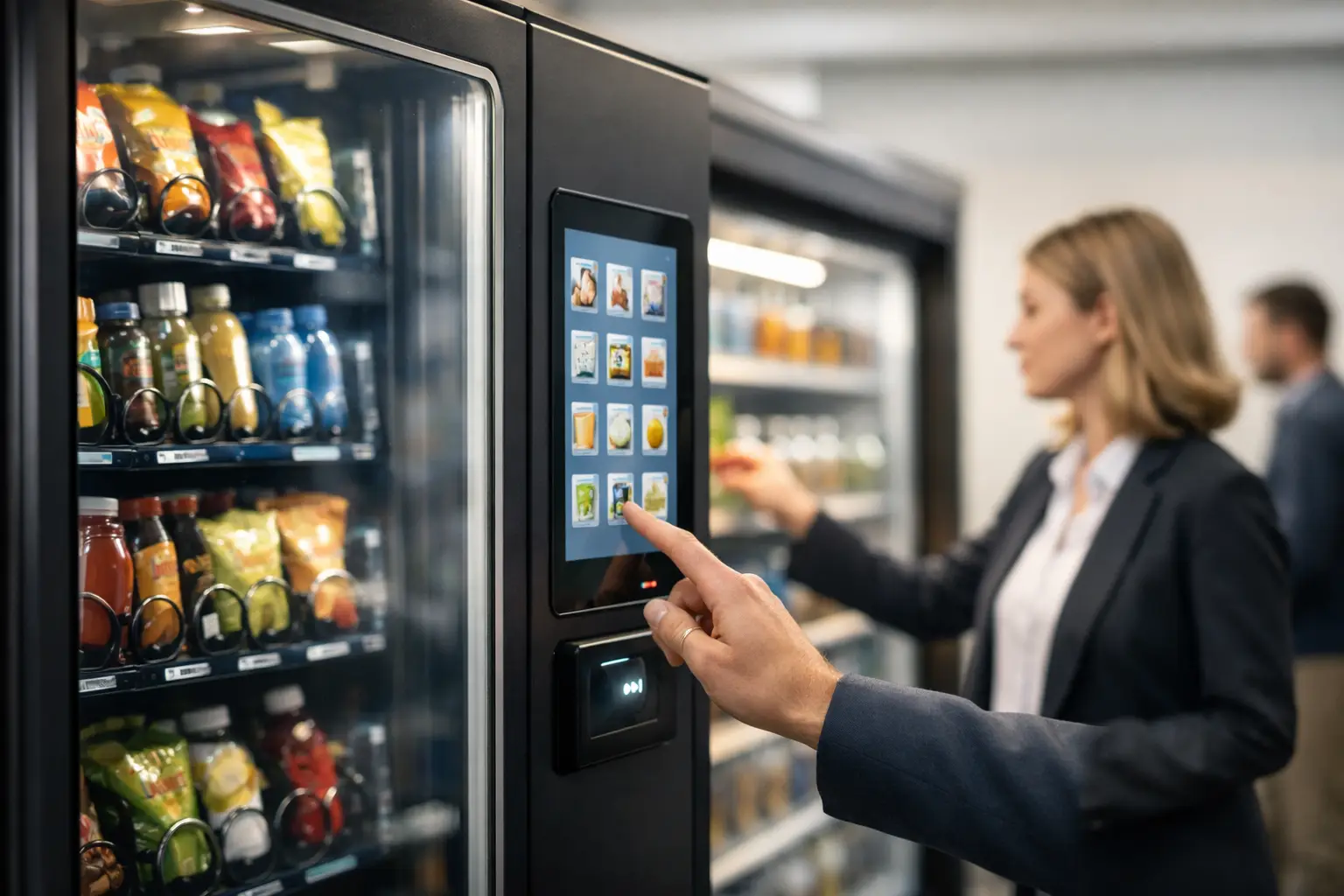
A vending machine in a busy gym, office lobby or shopping centre has only a few seconds to make a sale. The product must be available, the payment must work, and the machine must feel easy to use. That is where vending technology makes the commercial difference. Modern machines are no longer simple product dispensers. They are connected retail points that can take digital payments, report stock levels and help operators respond before a small fault becomes lost revenue.
For business owners, the objective is not to add technology for its own sake. It is to operate a more dependable self-service retail channel with less daily intervention. The right setup can support repeat purchases, reduce cash handling and give clearer visibility over what is selling at each location.
What vending technology changes at the point of sale
Traditional vending machines could operate reliably, but they offered limited information. An operator might only discover that a best-selling drink had sold out during the next physical visit. A coin mechanism could jam without warning. There was little opportunity to understand whether a location was underperforming because of product range, price, footfall or machine downtime.
Connected vending equipment changes that position. Payment systems, telemetry devices, touchscreen interfaces and machine controllers work together to create a more responsive operation. Rather than relying entirely on manual checks, operators can use sales and machine-status information to make practical decisions.
This is particularly useful in locations where convenience is the main reason people buy. A staff member on a short break may want a cold drink without searching for cash. A resident collecting a late-night meal from a vending locker expects a quick transaction. A customer buying frozen food needs confidence that the product has been stored and dispensed correctly. The technology behind the machine helps deliver that experience.
It also supports a wider range of retail formats. Snack and beverage machines remain popular, but businesses can also consider coffee vending, healthy food, hot meals, frozen products, book machines, lockers and micro market systems. The right format depends on the site, customer habits and the level of product management the business can support.
The vending technology that matters to operators
Not every feature has the same value for every location. A small office machine may need reliable cashless payment and straightforward stock reporting. A network of machines across several states may benefit more from remote alerts and standardised service procedures. The best choice starts with the business model, not the specification sheet.
Cashless and card-enabled payments
Cashless payment is often the first technology buyers ask about, and for good reason. Card, contactless and compatible digital payment methods reduce the barrier to purchase for customers who do not carry notes or coins. They can also make the transaction feel faster and more familiar, especially in high-traffic commercial environments.
For operators, fewer cash transactions can mean less time spent collecting, counting and reconciling money. It may also reduce the risk and inconvenience associated with holding cash in a machine. However, cashless systems involve transaction charges, connectivity requirements and payment hardware that needs ongoing support. A site with weak mobile coverage or inconsistent network access needs careful assessment before a cashless-only approach is chosen.
In some locations, a combination of payment options remains sensible. The question is not whether cashless is fashionable. It is whether the available payment methods match how customers at that specific site prefer to buy.
Remote monitoring and sales visibility
Remote monitoring gives operators a clearer view of machine performance without requiring a visit to every site. Depending on the system and equipment configuration, it can provide information such as sales activity, low-stock alerts, machine temperature, payment status and error notifications.
This helps turn servicing routes into planned commercial activity. Instead of visiting every machine on a fixed schedule, an operator can prioritise machines that need restocking or attention. A machine selling bottled water quickly can be replenished before it misses more sales. A slow-selling product can be replaced with something better suited to the location.
The value is not simply having more data. It is acting on data that affects revenue and customer satisfaction. If a hospital waiting area sells more water, ready-to-eat food and hot drinks than confectionery, the product mix should reflect that pattern. If a gym experiences stronger evening sales, replenishment schedules should accommodate it.
Touchscreen interfaces and product presentation
A touchscreen can do more than make a machine look modern. It can display product information, guide customers through their selection and provide clearer promotional messages. This is useful where products require more explanation, such as healthy meals, premium coffee, frozen food or custom-branded items.
For property operators and established retailers, screen-based interfaces can also help maintain a consistent brand presentation. A machine can display campaign visuals, product categories or operational notices that would be difficult to communicate through a traditional button layout.
There is a trade-off. Touchscreen machines may have a higher initial cost and add another component that needs professional maintenance. For a straightforward snack machine in a low-complexity site, a conventional interface may be the more practical investment. For a branded retail environment or a product range with many options, a touchscreen may improve the buying experience enough to justify the cost.
Temperature control and product protection
Technology is especially significant when vending food, chilled drinks, frozen goods or hot meals. Temperature control protects product quality and supports customer confidence. Machine monitoring can help identify temperature-related issues earlier, allowing operators to respond before stock is affected or the machine is taken out of service for an extended period.
The right machine must still be selected for the product. A general snack machine is not a substitute for purpose-built frozen or hot food equipment. Buyers should consider storage needs, product dimensions, shelf configuration, electrical requirements and how quickly stock must be replenished. Technology improves control, but it cannot correct a mismatch between the machine and the product being sold.
Better technology still needs the right location
A connected machine cannot create demand where there is no relevant footfall. Location remains one of the strongest influences on vending performance. The most promising sites usually combine regular traffic, a clear need for convenient purchases and enough dwell time for people to notice and use the machine.
Gyms can suit protein drinks, water, healthy snacks and ready-to-eat products. Offices may perform well with coffee, snacks and lunch options, particularly where employees have limited access to nearby shops. Residential developments can benefit from food, beverage or locker-based solutions if residents need convenient access outside normal retail hours. Shopping centres, transport-related sites and hospitality venues each require their own product and machine strategy.
Technology makes placement decisions easier to refine after installation. Sales data can show whether a machine is attracting repeat customers, which products are underperforming and whether a different range or price point could improve results. It does not replace local knowledge, but it reduces guesswork.
Planning for support, maintenance and downtime
For an unattended retail business, a machine that is unavailable is more than a technical problem. It is a lost-sale problem and, over time, a trust problem. Customers who encounter failed payments, empty selections or dispensing issues may not try the machine again.
That is why machine supply should be considered alongside after-sales capability. Warranty coverage, spare parts availability, repair response and technical guidance matter throughout the working life of the equipment. A lower purchase price may look attractive initially, but can become costly if compatible parts are difficult to source or local support is slow when a machine needs attention.
KCH Vending supports businesses with equipment selection, cashless payment options, maintenance, repairs and spare parts, helping buyers plan for operation rather than focusing only on the initial machine purchase. This is valuable for first-time investors who need clear direction, as well as established operators expanding across multiple locations.
Before investing, consider who will restock the machine, how often the site needs to be visited, what happens if payments fail and how quickly faults can be assessed. These questions are as commercially important as machine capacity or screen size.
Choose technology that fits the business case
The most effective vending setup is not always the one with every available feature. It is the one that makes buying easy for customers and management practical for the operator. A single well-placed machine with dependable cashless payments and clear stock visibility may deliver better returns than a more complex installation in the wrong location.
Start with the customer, the products and the site. Then choose vending technology that gives you the control, payment flexibility and support needed to keep that location earning. When the machine is matched to a real purchasing habit and backed by responsive service, self-service retail becomes a practical revenue channel rather than another daily task.